

If your dog has a sensitive stomach, the “right” food can make a noticeable difference in comfort and stool quality—but it’s not one-size-fits-all. In this guide, you’ll learn what typically triggers tummy issues, what to look for on labels, and how to narrow down options safely and confidently.
If your dog struggles with digestion, choosing the right food can make a huge difference in their comfort and overall health.
👉 Check the best options below and compare prices on Amazon before making your decision.
Key Takeaways
- Protein source your dog tolerates well
- Limited ingredients (especially for recurring issues)
- Highly digestible carbs (or lower-carb if advised)
- Added probiotics/prebiotics (when appropriate)
Common causes of a sensitive stomach
Sensitive stomach symptoms can come from many sources—diet changes, food intolerances, richer treats, or underlying GI sensitivity. Some dogs react to specific proteins, while others struggle with high-fat formulas or sudden ingredient switches.
What to look for in ingredients
Look for a clear, named protein (like salmon or lamb), simple ingredient lists, and formulas designed for easier digestion. For many dogs, moderate fat and added gut-support ingredients (like prebiotics) can help maintain steadier digestion.
Ingredients to avoid
Avoid frequent “trigger” ingredients your dog has reacted to before, and be cautious with vague labels like “meat by-product” or “animal digest” if your dog is sensitive. Also watch for high-fat formulas, heavy artificial coloring, and frequent ingredient swaps.
Top picks
Below are three dog food options for sensitive stomachs, each chosen for a different need: grain-free simplicity, limited-ingredient support, and salmon-and-rice digestive care. Use these picks as a starting point, and always transition gradually based on your dog’s tolerance.
Disclosure: As an Amazon Associate I earn from qualifying purchases. This page contains affiliate links, meaning PawWordPets may earn a commission at no extra cost to you.
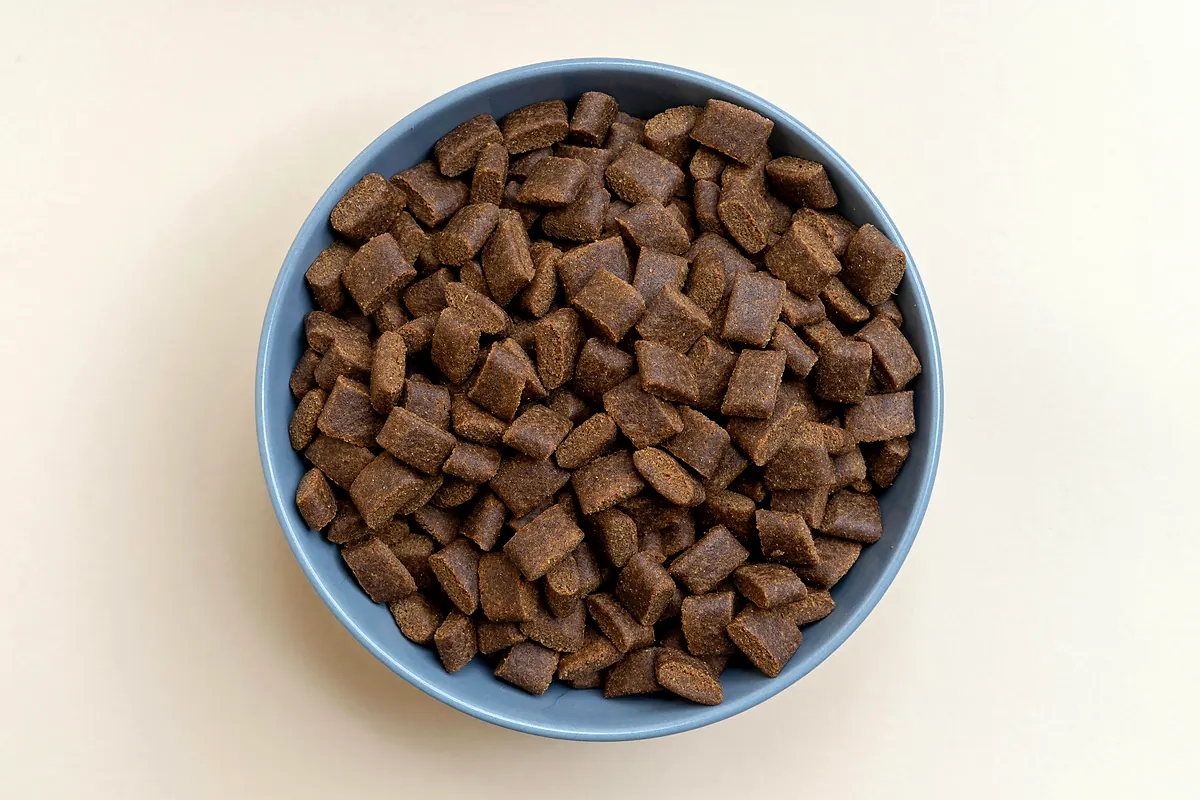
Best Grain-Free Pick
Merrick Grain Free
A grain-free option for dogs who may do better with a shorter ingredient list and clearly named animal protein. Compare it with your dog’s needs and your vet’s guidance.
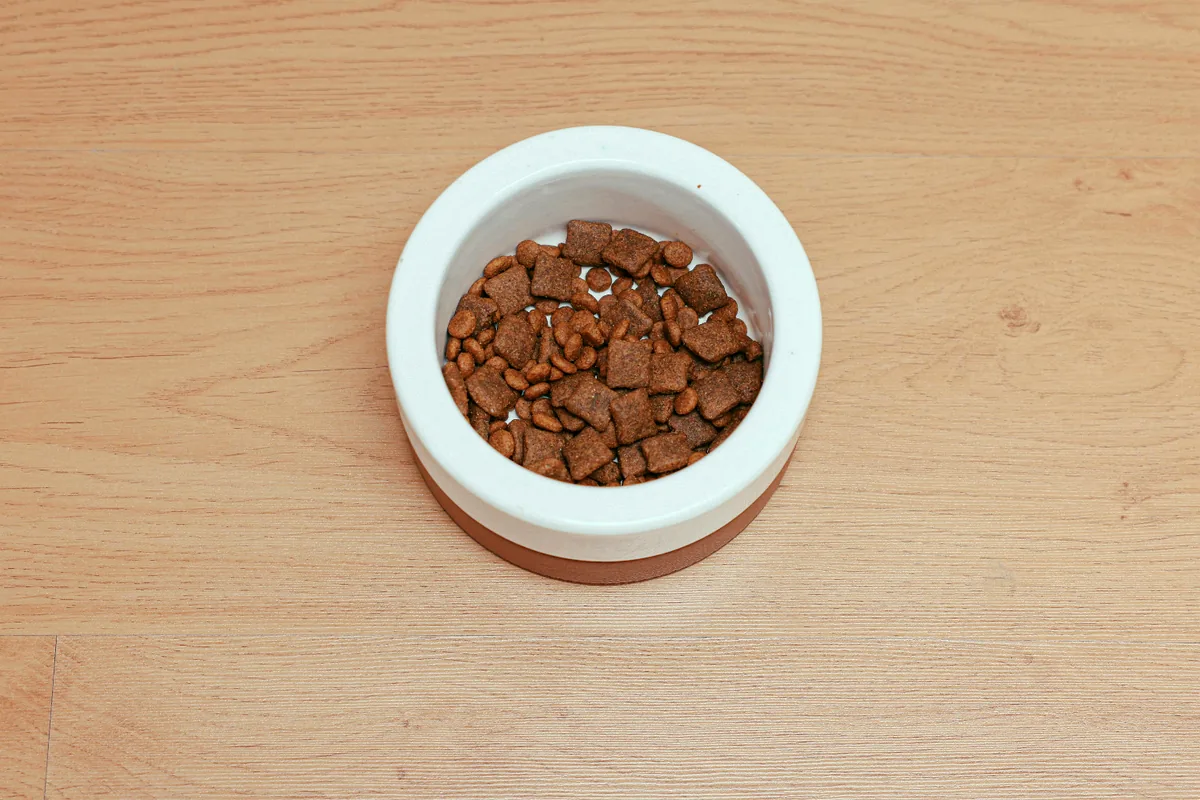
Best Limited-Ingredient Pick
Blue Buffalo Basics Sensitive Stomach
A limited-ingredient style option made for dogs with food sensitivities, using a single animal protein source and gentle carbohydrates
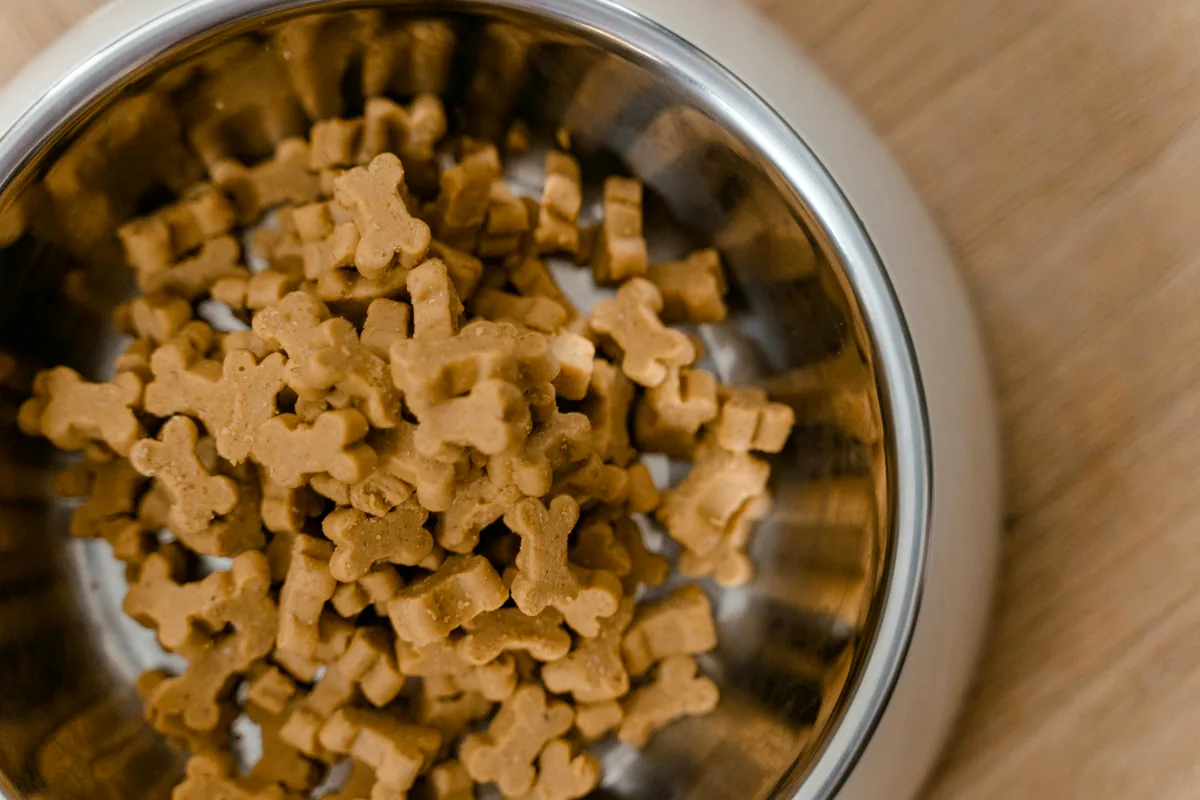
Best Salmon & Rice Formula
Purina Pro Plan Sensitive Skin & Stomach
A popular sensitive-stomach formula with salmon and rice, designed for dogs that may need digestive support and skin/coat-focused nutrition.
FAQ
How do I know if my dog has a sensitive stomach?
Common signs include loose stool, gas, occasional vomiting, or recurring discomfort—especially after eating certain foods or treats.
Should I switch foods right away?
If your dog is stable, switching gradually is usually safer. Sudden changes often worsen stomach issues.
How long should a transition take?
Many dogs do best with a 7–10 day transition. Sensitive dogs may need longer.
Is grain-free better for sensitive stomachs?
Not necessarily. Some dogs do well with grains, others don’t. The key is tolerance and digestibility—not trends.
When should I call a vet?
If symptoms are severe, persistent, or include blood, dehydration, or major appetite changes, get veterinary advice promptly.