

If your cat lives indoors, the “right” food can make a noticeable difference in weight, coat, and hairball comfort—but it’s not one-size-fits-all. In this guide, you’ll learn what matters most on labels, which ingredients support healthy weight and smoother digestion, and how to narrow options safely based on your cat’s needs and tolerance.
Key Takeaways
- Prioritize high-quality animal protein as the first ingredient
- Choose moderate calories (indoor cats gain weight faster)
- Look for digestible fiber to support hairball passage
- Prefer omega-3s (fish oil) for coat + skin support
- Transition slowly and measure portions (results depend on consistency)
Common causes of weight gain and hairballs in indoor cats
Indoor cats typically burn fewer calories, so even small “extras” (treats, free-feeding, calorie-dense kibble) add up quickly. Weight gain is often about portion size + calorie density, not just “good vs bad” brands.
Hairballs are common because cats groom daily. They become more frequent when hydration is low, digestion is slow, or stool is irregular—especially in heavy shedders or cats that over-groom.
What to look for in ingredients
Protein quality (first priority)
Look for a named animal protein near the top of the ingredient list (chicken, turkey, salmon). Protein helps preserve lean muscle while managing calories.
Calories & satiety support
“Weight control” works best when the food helps your cat feel full. Helpful signs include moderate fat, adequate protein, and added fiber.
Hairball-support fiber blend
Foods that mention hairball support often use fibers like cellulose, beet pulp, psyllium husk, or similar. The goal is smoother GI movement—not “magic.”
Omega-3/6 for coat + skin
A healthier coat can mean less shedding, and less shedding can mean fewer hairballs. Look for ingredients like fish oil or other omega sources.
Wet vs dry (practical choice)
Wet food can help with hydration and portion control. For many indoor cats, a mixed routine (wet + measured dry) is the easiest long-term win.
Ingredients to be cautious with
Some ingredients are not automatically “bad,” but they deserve extra attention when choosing food for an indoor cat.
Vague protein sources
Avoid formulas where unclear terms like “meat” or “animal digest” are the main protein focus. Named proteins such as chicken, turkey, or salmon are easier to evaluate.
Very high-calorie formulas
Indoor cats usually burn fewer calories, so “high energy” foods may contribute to weight gain unless your veterinarian recommends them.
Too many starch-heavy ingredients
If several grains, starches, or fillers dominate the top of the ingredient list, the formula may be less ideal for weight control.
Frequent formula switching
Changing foods too often can upset digestion and make picky eating worse. Transition slowly and keep routines consistent.
Quick comparison guide
For weight control:
Choose moderate calories, higher protein, and fiber support.
For hairball support:
Look for a clear fiber strategy, such as cellulose, beet pulp, or psyllium.
For digestibility:
Prioritize a named animal protein as one of the first ingredients.
For indoor lifestyle:
Use measured portions and avoid free-feeding.
For stool and odor support:
Look for quality fiber, prebiotics, or probiotics as helpful extras.
Top picks
For indoor cats, prioritize a formula that supports healthy weight, hairball control, and steady digestion. Look for named animal protein, moderate calories, and a clear fiber strategy. Always transition slowly and measure portions consistently.
Disclosure: As an Amazon Associate I earn from qualifying purchases. This page contains affiliate links, meaning PawWordPets may earn a commission at no extra cost to you.
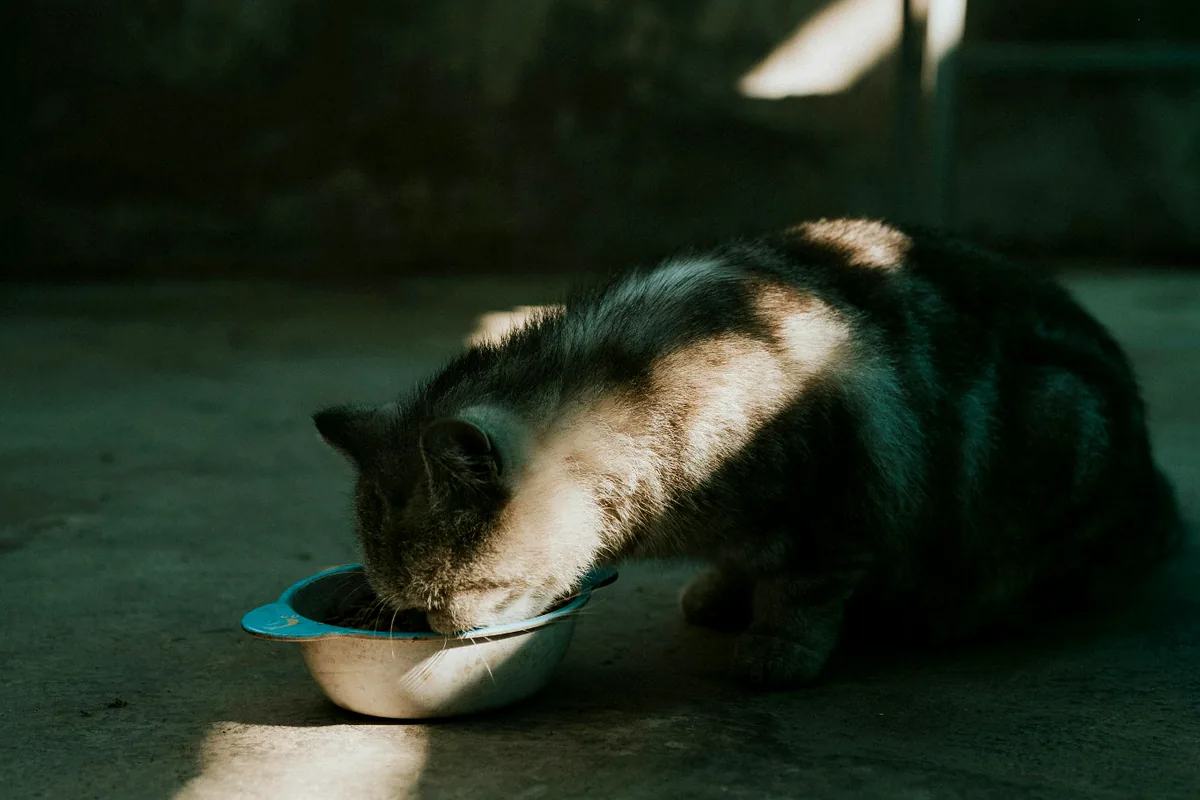
Best Overall Indoor Balance
Purina ONE Indoor Advantage Dry Cat Food
An indoor dry cat food option with a weight-control focus, fiber support for hairballs, and a practical formula for everyday feeding.
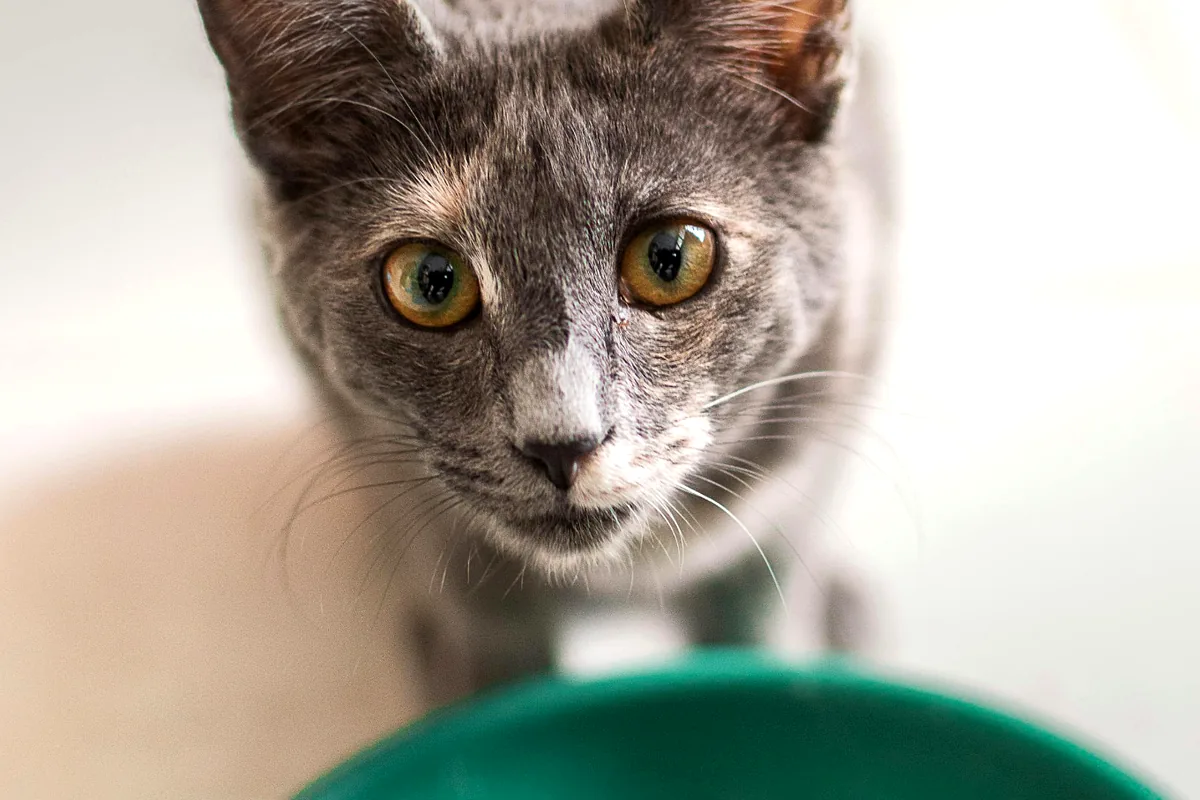
Best Hairball & Weight Control Pick
Blue Buffalo Tastefuls Weight Management & Hairball Control
A dry cat food option designed for indoor cats that need support with healthy weight, hairball control, and everyday digestion.

Best Budget-Friendly Pick
IAMS ProActive Health Indoor Weight & Hairball Care
A practical indoor cat food option focused on weight management and hairball control, with fiber support for daily feeding routines.
How We Choose Indoor Cat Food Recommendations
We focus on what pet owners can verify on labels and what’s practical for real homes. Our criteria include:
Clear, named animal protein as a foundation
Reasonable calorie profile for indoor activity levels
Fiber strategy that supports normal digestion and hairball movement
Consistency, transparency, and suitability for long-term feeding
Disclaimer: This guide is for general education and does not replace veterinary advice. If your cat has ongoing vomiting, rapid weight change, blood in stool, or refuses food, talk to a veterinarian promptly.
FAQ
Is “indoor cat food” actually different?
Sometimes. The best indoor formulas tend to be slightly lower calorie with a stronger satiety and fiber approach—but the label matters less than the nutrition profile.
Does hairball food stop hairballs completely?
No. It can help reduce frequency by supporting digestion and movement of hair through the GI tract, especially alongside grooming.
Wet food or dry food for indoor cats?
Wet food can support hydration and portion control. Many owners do best with a mixed routine: wet meals + measured dry.
How do I help my cat lose weight safely?
Use measured portions, avoid free-feeding, and aim for gradual change. Rapid weight loss is risky for cats—get vet guidance if your cat is significantly overweight.
How long does it take to see results?
Often 2–4 weeks to notice appetite/portion stability and stool changes, and longer for body weight trends. Consistency is key.