
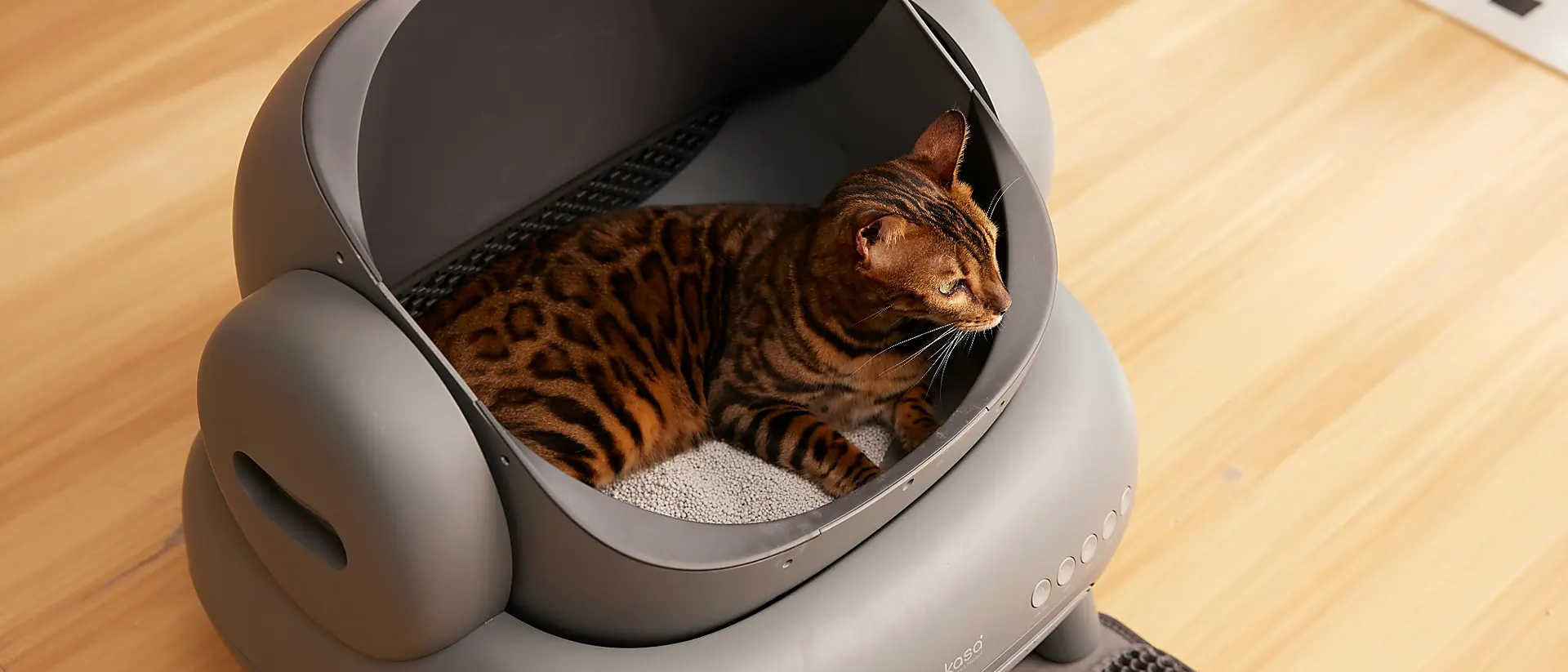
If your home ever smells “like litter” even after cleaning, the issue is usually the litter + routine combo, not you. The right litter can dramatically reduce odor, cut tracking, and make daily scooping easier—especially in multi-cat homes. In this guide, you’ll learn what actually controls smell, what to avoid (dust and perfume traps), and how to choose a litter that keeps your house fresh without irritating sensitive noses.
Key Takeaways
- The best odor control comes from ammonia control + daily scooping, not strong fragrances.
- For low dust, prioritize low-dust ratings and heavier granules/pellets (less airborne powder).
- In multi-cat homes, choose fast clumping and strong odor binders (carbon, zeolite, baking soda).
- Unscented is often better for cats (and still keeps the house fresher when the formula is good).
- Match litter type to your needs: clumping clay for convenience, pellets for low tracking/dust, silica for longer odor control.
Why litter odor happens (and how to stop it)
Most “litter box smell” is ammonia from urine breaking down—especially when urine sits or clumps don’t form tightly. Odor control improves when:
clumps form fast and stay solid (easy removal),
moisture is absorbed efficiently,
odor binders neutralize ammonia,
and the box is scooped consistently.
A good litter helps you win the daily battle with less effort, which is what actually improves results long-term.
What to look for (features that convert)
Ammonia control (real odor control)
Look for odor tech like activated carbon, baking soda, zeolite, or “ammonia blockers.” This is what keeps the room from smelling.
Fast, hard clumping (if using clumping litter)
Hard clumps = easy removal. Weak clumps break apart, leaving urine behind and creating persistent odor.
Low dust performance
Low dust is a quality-of-life upgrade (less mess, less film on surfaces). Pellets and heavier granules usually kick up less dust than very fine clay.
Low tracking (clean floors)
Tracking comes from lightweight particles that stick to paws. “Low tracking” litters often use heavier granules, pellets, or anti-tracking shapes.
Cat acceptance (non-negotiable)
Even the “best” litter fails if your cat refuses it. Unscented, comfortable texture, and gradual transitions usually win.
Litter types explained (quick comparison)
Clumping clay (most common)
Pros: easiest daily scooping, strong clumping options
Cons: can be dusty/tracky depending on quality
Pellets (paper / pine / plant-based pellets)
Pros: very low tracking and dust, cleaner floors
Cons: some cats need time to accept pellets; odor control varies by brand
Silica crystals
Pros: excellent moisture control; can reduce odor longer between full changes
Cons: texture isn’t loved by every cat; still needs daily scooping for solids
Plant-based clumping (corn/wheat/cassava, etc.)
Pros: often low dust, good odor control, lighter to carry
Cons: tracking depends on granule size; clumping quality varies
What to avoid (or be cautious with)
Strongly perfumed litters (they mask smell temporarily and some cats hate it)
Very fine, powdery clay (usually dustier and tracks more)
Weak clumping formulas (break apart = urine stays = odor stays)
Frequent full litter swaps without a transition (can trigger avoidance)
“Odor control” that’s only fragrance (you want ammonia binders, not perfume)
Multi-cat homes: what matters most
If you have 2+ cats, litter performance matters more because:
boxes fill faster,
urine concentration and ammonia build faster,
and inconsistent clumps become a daily headache.
Best multi-cat setup (simple):
Use 1 box per cat + 1 extra (ideal standard),
Scoop at least once daily (twice is gold in multi-cat),
Choose a litter marketed for multi-cat with strong odor binders and firm clumps.
Top picks
We’re building this section into clear category-based recommendations so you can match litter to your home and your cats. For now, shortlist based on these categories:
Best overall odor control: strong ammonia binders + consistent performance
Best low dust: low-dust formula or pellets that keep the air and surfaces cleaner
Best for multi-cat homes: fast, hard clumping + heavy-duty odor control
Best low tracking: heavier granules/pellets that don’t stick to paws
Best for sensitive cats: unscented, gentle texture, reliable clumping/absorption
Tip: If odor is your #1 issue, improving clump strength + daily scoop routine beats any fragrance every time.
How to switch litters without accidents
Cats notice changes. Switch gradually:
Days 1–3: 75% old / 25% new
Days 4–6: 50/50
Days 7–10: 25% old / 75% new, then fully new
If a cat resists, slow down the transition—don’t force a sudden change.
Best overall odor control: strong ammonia binders + consistent performance
Best low dust: low-dust formula or pellets that keep the air and surfaces cleaner
Best for multi-cat homes: fast, hard clumping + heavy-duty odor control
Best low tracking: heavier granules/pellets that don’t stick to paws
Best for sensitive cats: unscented, gentle texture, reliable clumping/absorption
Tip: If odor is your #1 issue, improving clump strength + daily scoop routine beats any fragrance every time.
FAQ
Scented or unscented for odor control?
For most homes, unscented works best because it relies on real odor neutralizers. Strong perfumes can bother cats and still won’t fix ammonia.
How often should I fully change the litter?
Depends on litter type and number of cats. With solid clumping litter and daily scooping, full changes are less frequent. For non-clumping types, full changes are typically more regular.
Why is my litter box still smelly even with “odor control” litter?
Common reasons: weak clumping, not enough litter depth, box too small, not scooping daily, or too few boxes for the number of cats.
What’s the best litter depth?
Usually 2–3 inches for clumping litters (enough to form solid clumps). Too shallow can cause sticking and poor clumps.
How do I reduce tracking?
Use low-tracking litter, add a litter mat, keep litter depth consistent, and consider pellets/heavier granules.